

- “Natural Ozempic”: What the Science Actually Says
- Moringa patch for weight loss: does it really work?
- How to naturally cleanse your liver: Restore your balance
- Superfoods: what they are and which are the most effective
- Moringa: Capsules for weight loss
- The 6 Best Herbs for Rapid Weight Loss
- Nasolabial Folds: Why Creams Alone Cannot Lift Them
- Lip Lines and Marionette Lines: What Works Around the Mouth
- Crow's Feet: What Actually Works and What's Overrated
- The differences between high and low molecular weight hyaluronic acid
- How to make a natural face mask with Moringa at home ?
- How to identify hyaluronic acid in creams ?
- Moringa face cream: A powerful anti-aging product with hyaluronic acid
- Best cream with pure hyaluronic acid: Navigating misinformation and truth, how to choose
- Maca contraindications: who should avoid it and who can take it safely
- Maca for Men Over 40: Andropause, HPA Axis, and Vitality
- Maca Supplements – What they're for and how to choose them
- Natural Remedies to Increase Male Libido
- Spring, more energy (including sexual) with Moringa and Tribulus
- The 6 best aphrodisiacs, including Moringa
- How to boost female libido with Moringa
- RedMoringa Subscription: the benefits compared with a one-time purchase
- Andropause: Symptoms, Age, Causes and Natural Remedies
- Low Blood Pressure in Summer: Symptoms, Causes and Natural Remedies
- RedMoringa Loyalty Points Programme
- Magnesium Bisglycinate: What It's Used For, Benefits and Contraindications
- Is collagen bad for the liver? The science-based answer
- How to naturally regulate irregular menstrual cycles
- The best natural remedies for diabetes: How to lower blood sugar levels
- Selenium: What It Is, What It’s For, and How to Take It<
- Glossary RedMoringa: from A like Acerola to Z like Zinc
- Hand Sanitizer Gel with Moringa Scent: Why Choose It?
- Moringa Chocolate with Goji Berries Recipe
- What to eat to improve the skin
- Candida and Nutrition: Foods to Avoid
- Natural soaps: Why are they good for the skin?
- How to dry Moringa leaves
- The best medicinal plants for your well-being in 2022
- OUR BEST ADVERTISEMENT IS YOU
- Natural Anti-Inflammatories: The Best and When to Use Them
- Water Retention in Legs in Summer: Causes and Natural Remedies
- What is Bromelain Used For and How Does It Work Against Cellulite?
- Bromelain: What It Is Used For, Benefits, and Contraindications
- Do fat burners really work? 21 studies compared
- Birch Detox: Herbal Teas, Supplements, and Birch-based Remedies for Detoxification
- Pineapple, benefits, and properties
- Dietary supplements for cellulite: How to choose the most effective ones
- How can you reduce fluid retention in the legs with the help of natural supplements
- How to combat water retention with natural supplements
- Which foods to eat to counteract water retention ?
- The best dietary supplements for lowering cholesterol
- Coenzyme Q10: What It Is, Benefits and Contraindications | RedMoringa
- Monacolin from Fermented Red Rice, Beneficial for Cholesterol Levels, Note the New EU Limits
- Capillary Fragility: Causes, Symptoms and Natural Remedies
- Swollen Ankles: Causes, Natural Remedies and When to See a Doctor
- How to improve blood circulation in the legs naturally.
- Heavy legs: Natural supplements for leg drainage
- What is the best black currant supplement?
- Nutrition for water retention: The 5 foods to avoid
- Vitamin D deficiency: symptoms, causes and how to remedy it
- How can the immune system be strengthened naturally?
- Moringa Oleifera Powder - What is it used for?
- Zinc: Which Form to Choose — Doses and Contraindications
- Acerola: The properties and other natural immune boosters
- Moringa Oleifera: A powerful antihistamine against spring allergies
- HRT in Menopause: What Has Really Changed, and For Whom
- Supplements for Hot Flashes: Which Ones Have Real Studies
- Perimenopause: Symptoms, Duration and What Really Helps
- Maca for women in menopause: how it acts on the pituitary (not on estrogens)
- Black cohosh and weight: does it cause weight gain or help control it?
- Cortisol in Menopause: Managing Stress
- What is black cohosh and what are its benefits?
- How to combat hot flashes and other menopausal symptoms
- Bloated belly: Moringa, the unknown remedy
- Soy isoflavones in menopause: They help with hot flashes but not with bones
- What to eat during perimenopause and menopause
- How to lose weight during menopause
- The 4 exceptional Moringa recipes
- Detox smoothies: Moringa, kale, acai, and blueberries
- Vegetable Smoothies: The Recipes - Enhance Your Life with Moringa Smoothie
- Moringa Chips: The Recipe
- Moringa Pesto and Zucchini Spaghetti Recipe
- Hummus recipe: How to prepare it and what are its properties
- Recipe for green Apulian Orecchiette
- Moringa and Cocoa Rings
- Antioxidant Supplements: Which Ones Work, and For Whom
- Thyroid supplements: selenium, zinc and moringa for thyroid function
- Growing Moringa at home: Step-by-step instructions
- Moringa herbal tea: Preparation and expected benefits
- Moringa and the thyroid gland: The benefits of the superfood plant according to science
- What are Moringa seeds used for and what benefits do they offer?
- Debunking the rumours and false myths about Moringa's properties
- How to choose the best Moringa: a practical guide
- How to use Moringa powder?
- How the root of Moringa Oleifera combats cancer cells
- Moringa Capsules: How Many a Day, How and When to Take Them
- The relationship between Moringa and cancer: Studies
- Moringa, where to buy and how to choose
- How to regulate blood sugar levels naturally with Moringa
- Moringa and blood pressure: Why take them?
- Moringa for controlling blood cholesterol levels, how does it work?
- Moringa oleifera: A tree that grows up to 9 meters high and provides well-being
- Leaves of Moringa oleifera: What do they contain and how can they be used?
- Supplements for fatigue: which ones really work according to science
- Magnesium Deficiency: Symptoms, Causes and How to Fix It
- Tribulus Terrestris: Benefits, Uses and Side Effects of this Plant
- Amino Acids: Side Effects, BCAAs vs EAAs and Who Needs Them
- Moringa and Insomnia: How to Take It for Better Sleep | RedMoringa
- Benefits and When to Take It
- Supplements to Increase Muscle Mass – Benefits, Risks, and Nutrition for Muscle Building
- Moringa in Breastfeeding and Postpartum: Benefits and Safety
- Breastfeeding Teas: Which Really Work and How to Take Them
- Dietary supplements for breastfeeding mothers: The best for your baby's health
- Baby blues: What is it and how does it differ from postpartum depression?
- How to increase breast milk production naturally and safely
- Galega Officinalis and its support during breastfeeding
- What is infertility in couples and how can they deal with it together?
- What is folic acid and why should you take it during pregnancy
- Inositol and Polycystic Ovary Syndrome: The Benefits
- Resveratrol: The Benefits for Female Fertility
- Folic Acid for Men: What are the Benefits?
- Moringa Anti-Smog Face Cream: Smooth and Pure in Just a Few Steps
- Organic solid makeup remover made from Moringa and coconut: 5 benefits for the skin and the environment
- Moringa oil: Properties and secrets of a wonderful skin oil
- The best body oils for silky and hydrated skin
- Natural Cosmetics: Why more and more people are interested in organic cosmetics
- Beard Oil: How to Soften the Beard and Hydrate the Skin
- Magnesium for Sleep: Does It Really Work?
- Valerian for sleep: Benefits and contraindications for natural rest.
- Melatonin: what it is used for and contraindications
- Escolzia: Properties and Uses of the Californian Poppy
- Insomnia: Natural remedies for sleep backed by science
- The best sleep aid: Let's find out what it is
- Melatonin and valerian for sleep, effective sleep aids
- Sleep aids: Which ones are the most effective?
- How long should one take melatonin?
- Sleep Supplements: Which One Fits Your Type of Insomnia
- Anxiety, Natural Remedies for Reduction
- Sleep Exercises: 7 Simple Ways to Find Sleep
- IBS Supplements: What Actually Has Scientific Evidence
- Moringa and Ginger Tea for Weight Loss: How It Works




Do fat burners really work? 21 studies compared

Do fat burners really work?
Fat burner supplements are everywhere. On supermarket shelves, in pharmacies, in supplement shops. Sold as the miracle solution for losing weight fast. But I don't fall for it any more.
I'm tired of their catchy promises, of the colourful labels boasting almost magical properties. "Speed up your metabolism and melt away excess fat!" they shout. But is that really how it works? I've learnt to be sceptical.
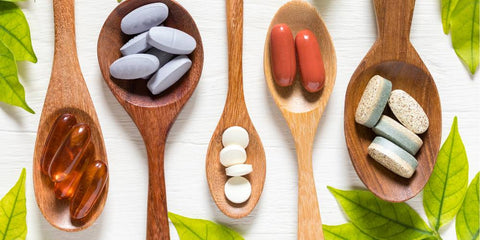
What exactly is a fat burner supplement? A compound or blend of natural or synthetic ingredients meant to increase fat burning in the body. They often contain caffeine and plant extracts such as green tea, garcinia cambogia and chilli pepper. All combined with vitamins and amino acids to give a more "wholesome" feel.
Not to be confused with draining supplements, which can instead have noticeable diuretic effects helping the elimination of excess fluids.
What is the thermogenic principle supposed to be?
The underlying theory is simple: these products are said to stimulate the metabolism and thermogenesis, in other words the production of heat by the body. So you would burn more calories and more fat to produce energy. An appealing idea, one that plays on our innate hope of losing weight without too much effort.
Some of these plants are advertised as being able to interfere even with the absorption or storage of lipids in the body, thereby preventing them from building up as fat. Another promise that sounds tempting to anyone who wants to slim down their belly or thighs.
These "slimming elixirs" are often recommended alongside a low-calorie diet. The idea is that they speed up fat loss while at the same time preserving precious muscle mass. That is not always an easy goal to reach when you are following a restrictive eating plan.
But beyond the talk and the eye-catching advertising, the question is: do these supplements really work? I started to have my doubts after being dazzled too many times by the flattery of "miracle" pills and powders
Scientific evidence on the ineffectiveness of fat burner supplements
Science opened my eyes.
A 2021 piece of research, the systematic review and meta-analysis published in BMC Complementary Medicine and Therapies by James E. Clark and Sarah Welch of the University of New Mexico, analysed the results of no fewer than 21 scientific studies on the real effectiveness of these "fat burning" supplements. All of them were carried out on people who were overweight or obese, for at least 8 weeks.
The aim? To assess whether these products genuinely supported the loss of total body weight and fat mass, as well as improving health markers such as cholesterol and basal metabolic rate.
The results were compared with people who were simply following a diet or taking exercise, without taking any supplement. And do you know what came out of it? Absolutely nothing!
Sure, thermogenic and fat-burning supplements seemed to give some marginal benefit on body mass and fat stores. But the 95% confidence interval of the effect size (the size of the statistical effect) crossed zero for every variable considered.
Translation? No real, appreciable and statistically significant advantage, as reported in the study.
The final blow came from the direct comparison with people who had lost weight purely through a healthier lifestyle. A low-calorie diet and regular exercise, with no concoctions of any kind. Well, these approaches proved to be clearly more effective at promoting weight loss and fat loss, as well as reducing cardiometabolic risk factors.
Compared with those miracle supplements, following a balanced diet and moving more produced robust, proven results. A cold shower for anyone who, like me, had hoped for an easy shortcut back into shape after the exhaustion of motherhood.
The authors of the research were clear: the available data show extremely limited benefits from taking these thermogenic and fat-burning dietary supplements. And yet, how heavily they are advertised as the cure-all for shedding those extra kilos!
Companies stake everything on sensationalist, misleading claims, playing up the almost miraculous qualities of these products. But the reality is very different. Science dismisses these "magic" pills as entirely ineffective, as the study concluded.
The phantom miracle fat-burning ingredients
So what are the ingredients in these supplements that are passed off as so effective? Many of them contain a blend of plants, herbs and substances of natural origin, credited with astonishing fat-burning and metabolism-boosting properties.

One of the most common plants in these slimming products is without doubt green tea. This drink, rich in polyphenols such as catechins, has long been celebrated for its potential antioxidant and anti-inflammatory effects and its ability to support energy expenditure and thermogenesis.
But the scientific studies that have assessed its effectiveness in promoting fat loss have produced conflicting results. Some research suggests a slight advantage, while other studies found no significant impact at all. In short, nothing conclusive.
Another very popular ingredient is garcinia cambogia, a tropical plant whose active compound, hydroxycitric acid (HCA), is supposedly an inhibitor of fat accumulation and of fatty acid production. Unfortunately, the evidence supporting this hypothesis is genuinely scarce. Most well-conducted studies have found no appreciable effect on body composition linked to taking this exotic plant.
But there is one ingredient that is never missing from these supplements: caffeine. Often extracted from maté or guarana, as well as being present in green tea. This stimulant is known to increase energy levels, mental focus and thermogenesis, that is, the production of heat by the body. Some studies suggest that caffeine can indeed support a slight increase in calorie expenditure. However, the effects on long-term weight loss are generally modest and not clinically relevant unless combined with a low-calorie diet and consistent exercise.
Which other plants are supposed to burn fat?
Other plants that are never missing from these supplements are chilli pepper, whose capsaicin is said to stimulate the metabolism slightly, glucomannan, which might promote a longer-lasting feeling of fullness, cinnamon, said to act on the regulation of blood sugar levels, and rhubarb, assumed to be a mild diuretic able to support the elimination of excess fluids. However, here too there is a lack of solid, consistent evidence of any appreciable effectiveness of these ingredients on body fat loss.
It is important to stress that even where some of these natural active compounds did exert modest fat-burning or metabolism-boosting effects, these still cannot be compared with those brought about by an active lifestyle and a healthy, balanced, low-calorie diet. Following a balanced diet rich in fibre and protein with a controlled calorie intake, combined with regular aerobic activity and resistance training, produces clearly superior benefits.
Should I buy a fat burner or not?
In summary, despite the tempting promises about the effectiveness of fat burner supplements, based above all on the presence of natural ingredients and plants with supposed slimming properties, the scientific evidence supporting these effects is anything but convincing.
While mild thermogenic activity is plausible, these products certainly cannot replace a holistic approach that includes healthy, low-calorie eating and regular exercise. The end effect on fat loss therefore remains extremely limited.
So, dear friends, the next time you come across those colourful packs at the supermarket or in the gym promising to make you slim in the blink of an eye, don't fall for it! Remember that the secret to being in great shape is not in slimming pills, but in a healthy, active life every day — and if you would like some help draining excess fluids, I recommend this Moringa-based draining treatment.
Not sure what Moringa is? Find out more here: what is moringa
----
by Francesca Zanichetti
The bestsellers for Moringa lovers
-
 Original price 81,60 €Original priceOriginal price 81,60 €Current price 69,00 €69,00 €Current price 69,00 €All products Health - Supplement IN&OUT Leg Wellness Treatments
REDMORINGA – Hair Treatment IN&OUT: natural care from the inside and out Dull, brittle hair with split ends? Often your wash routine alone isn'...
View full detailsOriginal price 81,60 €Original priceOriginal price 81,60 €Current price 69,00 €69,00 €Current price 69,00 € -
 Original price 54,80 €Original priceOriginal price 54,80 €Current price 49,00 €49,00 €Current price 49,00 €All products Health - Supplement IN&OUT
REDMORINGA – Your In&Out care kit for menopause Menopause brings changes, inside and out. That's why we created a two-level kit: a supplemen...
View full detailsOriginal price 54,80 €Original priceOriginal price 54,80 €Current price 49,00 €49,00 €Current price 49,00 €

