

- “Natural Ozempic”: What the Science Actually Says
- Moringa patch for weight loss: does it really work?
- How to naturally cleanse your liver: Restore your balance
- Superfoods: what they are and which are the most effective
- Moringa: Capsules for weight loss
- The 6 Best Herbs for Rapid Weight Loss
- Nasolabial Folds: Why Creams Alone Cannot Lift Them
- Lip Lines and Marionette Lines: What Works Around the Mouth
- Crow's Feet: What Actually Works and What's Overrated
- The differences between high and low molecular weight hyaluronic acid
- How to make a natural face mask with Moringa at home ?
- How to identify hyaluronic acid in creams ?
- Moringa face cream: A powerful anti-aging product with hyaluronic acid
- Best cream with pure hyaluronic acid: Navigating misinformation and truth, how to choose
- Maca contraindications: who should avoid it and who can take it safely
- Maca for Men Over 40: Andropause, HPA Axis, and Vitality
- Maca Supplements – What they're for and how to choose them
- Natural Remedies to Increase Male Libido
- Spring, more energy (including sexual) with Moringa and Tribulus
- The 6 best aphrodisiacs, including Moringa
- How to boost female libido with Moringa
- RedMoringa Subscription: the benefits compared with a one-time purchase
- Andropause: Symptoms, Age, Causes and Natural Remedies
- Low Blood Pressure in Summer: Symptoms, Causes and Natural Remedies
- RedMoringa Loyalty Points Programme
- Magnesium Bisglycinate: What It's Used For, Benefits and Contraindications
- Is collagen bad for the liver? The science-based answer
- How to naturally regulate irregular menstrual cycles
- The best natural remedies for diabetes: How to lower blood sugar levels
- Selenium: What It Is, What It’s For, and How to Take It<
- Glossary RedMoringa: from A like Acerola to Z like Zinc
- Hand Sanitizer Gel with Moringa Scent: Why Choose It?
- Moringa Chocolate with Goji Berries Recipe
- What to eat to improve the skin
- Candida and Nutrition: Foods to Avoid
- Natural soaps: Why are they good for the skin?
- How to dry Moringa leaves
- The best medicinal plants for your well-being in 2022
- OUR BEST ADVERTISEMENT IS YOU
- Natural Anti-Inflammatories: The Best and When to Use Them
- Water Retention in Legs in Summer: Causes and Natural Remedies
- What is Bromelain Used For and How Does It Work Against Cellulite?
- Bromelain: What It Is Used For, Benefits, and Contraindications
- Do fat burners really work? 21 studies compared
- Birch Detox: Herbal Teas, Supplements, and Birch-based Remedies for Detoxification
- Pineapple, benefits, and properties
- Dietary supplements for cellulite: How to choose the most effective ones
- How can you reduce fluid retention in the legs with the help of natural supplements
- How to combat water retention with natural supplements
- Which foods to eat to counteract water retention ?
- The best dietary supplements for lowering cholesterol
- Coenzyme Q10: What It Is, Benefits and Contraindications | RedMoringa
- Monacolin from Fermented Red Rice, Beneficial for Cholesterol Levels, Note the New EU Limits
- Capillary Fragility: Causes, Symptoms and Natural Remedies
- Swollen Ankles: Causes, Natural Remedies and When to See a Doctor
- How to improve blood circulation in the legs naturally.
- Heavy legs: Natural supplements for leg drainage
- What is the best black currant supplement?
- Nutrition for water retention: The 5 foods to avoid
- Vitamin D deficiency: symptoms, causes and how to remedy it
- How can the immune system be strengthened naturally?
- Moringa Oleifera Powder - What is it used for?
- Zinc: Which Form to Choose — Doses and Contraindications
- Acerola: The properties and other natural immune boosters
- Moringa Oleifera: A powerful antihistamine against spring allergies
- HRT in Menopause: What Has Really Changed, and For Whom
- Supplements for Hot Flashes: Which Ones Have Real Studies
- Perimenopause: Symptoms, Duration and What Really Helps
- Maca for women in menopause: how it acts on the pituitary (not on estrogens)
- Black cohosh and weight: does it cause weight gain or help control it?
- Cortisol in Menopause: Managing Stress
- What is black cohosh and what are its benefits?
- How to combat hot flashes and other menopausal symptoms
- Bloated belly: Moringa, the unknown remedy
- Soy isoflavones in menopause: They help with hot flashes but not with bones
- What to eat during perimenopause and menopause
- How to lose weight during menopause
- The 4 exceptional Moringa recipes
- Detox smoothies: Moringa, kale, acai, and blueberries
- Vegetable Smoothies: The Recipes - Enhance Your Life with Moringa Smoothie
- Moringa Chips: The Recipe
- Moringa Pesto and Zucchini Spaghetti Recipe
- Hummus recipe: How to prepare it and what are its properties
- Recipe for green Apulian Orecchiette
- Moringa and Cocoa Rings
- Antioxidant Supplements: Which Ones Work, and For Whom
- Thyroid supplements: selenium, zinc and moringa for thyroid function
- Growing Moringa at home: Step-by-step instructions
- Moringa herbal tea: Preparation and expected benefits
- Moringa and the thyroid gland: The benefits of the superfood plant according to science
- What are Moringa seeds used for and what benefits do they offer?
- Debunking the rumours and false myths about Moringa's properties
- How to choose the best Moringa: a practical guide
- How to use Moringa powder?
- How the root of Moringa Oleifera combats cancer cells
- Moringa Capsules: How Many a Day, How and When to Take Them
- The relationship between Moringa and cancer: Studies
- Moringa, where to buy and how to choose
- How to regulate blood sugar levels naturally with Moringa
- Moringa and blood pressure: Why take them?
- Moringa for controlling blood cholesterol levels, how does it work?
- Moringa oleifera: A tree that grows up to 9 meters high and provides well-being
- Leaves of Moringa oleifera: What do they contain and how can they be used?
- Supplements for fatigue: which ones really work according to science
- Magnesium Deficiency: Symptoms, Causes and How to Fix It
- Tribulus Terrestris: Benefits, Uses and Side Effects of this Plant
- Amino Acids: Side Effects, BCAAs vs EAAs and Who Needs Them
- Moringa and Insomnia: How to Take It for Better Sleep | RedMoringa
- Benefits and When to Take It
- Supplements to Increase Muscle Mass – Benefits, Risks, and Nutrition for Muscle Building
- Moringa in Breastfeeding and Postpartum: Benefits and Safety
- Breastfeeding Teas: Which Really Work and How to Take Them
- Dietary supplements for breastfeeding mothers: The best for your baby's health
- Baby blues: What is it and how does it differ from postpartum depression?
- How to increase breast milk production naturally and safely
- Galega Officinalis and its support during breastfeeding
- What is infertility in couples and how can they deal with it together?
- What is folic acid and why should you take it during pregnancy
- Inositol and Polycystic Ovary Syndrome: The Benefits
- Resveratrol: The Benefits for Female Fertility
- Folic Acid for Men: What are the Benefits?
- Moringa Anti-Smog Face Cream: Smooth and Pure in Just a Few Steps
- Organic solid makeup remover made from Moringa and coconut: 5 benefits for the skin and the environment
- Moringa oil: Properties and secrets of a wonderful skin oil
- The best body oils for silky and hydrated skin
- Natural Cosmetics: Why more and more people are interested in organic cosmetics
- Beard Oil: How to Soften the Beard and Hydrate the Skin
- Magnesium for Sleep: Does It Really Work?
- Valerian for sleep: Benefits and contraindications for natural rest.
- Melatonin: what it is used for and contraindications
- Escolzia: Properties and Uses of the Californian Poppy
- Insomnia: Natural remedies for sleep backed by science
- The best sleep aid: Let's find out what it is
- Melatonin and valerian for sleep, effective sleep aids
- Sleep aids: Which ones are the most effective?
- How long should one take melatonin?
- Sleep Supplements: Which One Fits Your Type of Insomnia
- Anxiety, Natural Remedies for Reduction
- Sleep Exercises: 7 Simple Ways to Find Sleep
- IBS Supplements: What Actually Has Scientific Evidence
- Moringa and Ginger Tea for Weight Loss: How It Works

Moringa hair mask: How to revive dry and damaged hair in just a few hours
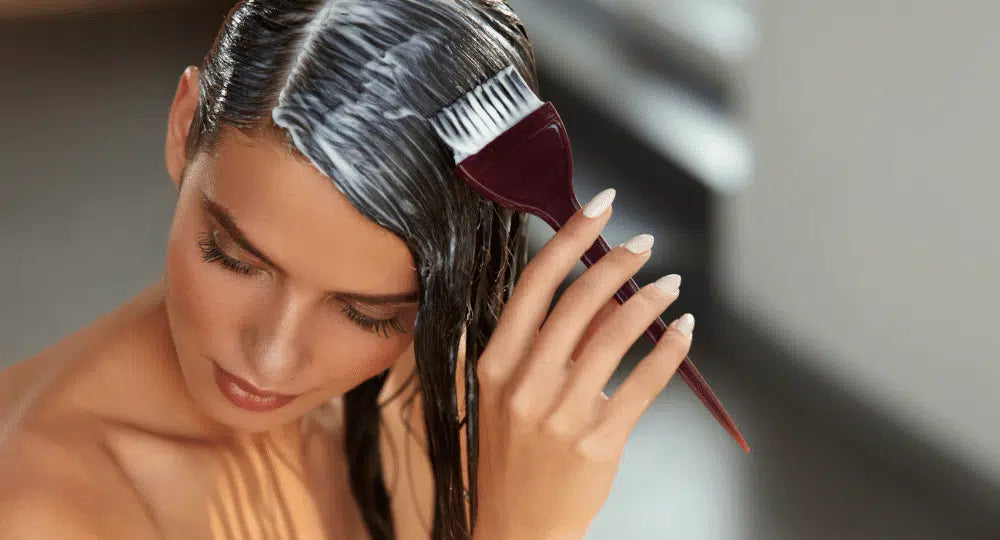
Dry, damaged hair with split ends can regain its original splendor through a few basic steps that require a healthy lifestyle and the use of active ingredients compatible with the hair structure. This includes Moringa, which is contained in a unique mask with excellent protective and cleansing properties, along with coconut oil, argan oil, almond oil and panthenol. Let's find out how to make hair stressed by coloring, aggressive hairstyles, pollution and other problems shiny, nourished and healthy again.
Table of contents
- Strengthen hair: From A for nutrition and argan to Z for zinc
- Argan oil: Known for hair regeneration for centuries
- Coconut oil: Rich in lauric acid, compatible with keratin
- Almond oil: tissue regeneration and repair
- Calming and reconstructive effect of panthenol
- The properties of Moringa for hair regeneration and protection
- Amino acids: Necessary for hair structure
- Moringa mask: Cleanses and protects against pollution
- Zinc for stronger hair
- Vitamin E: Important antioxidants for hair
- The hair structure: structure and products to strengthen it
- What is Keratin?
- How to prevent hair aging? Recommendations of the Italian Society of Trichology (Sitri)
- suggested products
- Signs of hair aging or inadequate care
- Healthy nutrition for healthy hair
- Application of the hair mask with moringa, argan oil, coconut, almonds and panthenol
- Combination with Moringa shampoo: protection, care and reconstruction in one step
Strengthen hair: From A for nutrition and argan to Z for zinc
There are no magic formulas to restore strength and substance to hair, but as mentioned in the introduction, there are scientific formulations and diets that can effectively restore beauty and vitality to hair. From argan to zinc and the extraordinary properties of vegetable oils such as coconut or argan oil, we see in detail the valuable contribution of these ingredients to hair health.
Argan oil: Known for hair regeneration for centuries
Argan oil is extracted from the seeds of the Argania Spinosa plant, which comes from Morocco. Known for centuries for its excellent anti-frizz properties, it adds shine and nourishment to the hair due to its high content of vitamin E and essential omega-6 fatty acids.
Its nutrient-rich and cosmetic properties have made it an effective hair care product since ancient times. It consists mainly of fatty acids and a variety of phenolic compounds, which come from oleic acid (43-49%) and linoleic acid or omega-6 (29-36%). The fatty acids keep the scalp hydrated, nourish the hair structure, prevent hair loss and enrich the keratinocytes that form the "building blocks" of nails and hair.
Oleic acid is also present in olive oil, with which it shares some nutritional properties that make hair more elastic by up to +9.2%; it is very rich in vitamin E, which is necessary for healthy hair, skin and eyes and has many antioxidant properties that help prevent cellular aging and protect skin and hair from oxidative stress.
Coconut oil: Rich in lauric acid, compatible with keratin
Coconut oil, also known as Cocos nucifera, is obtained by cold pressing its pulp. It contains high levels of lauric acid, a fatty acid that makes up almost 50% of its composition. Its composition proves to be particularly compatible with keratin, the main component of skin, hair and nails, making it a useful product for strengthening, moisturizing and softening hair, especially dry and damaged hair, as well as repairing split ends.
In addition to lauric acid, coconut oil contains abundant amounts of palmitic acid, myristic acid and capric acid, which are important sources of vitamin E and antioxidants for hair health.
In addition, oils such as coconut oil, olive oil and castor oil in Trichology cosmetics increase hair strength by up to 9.2% (Sitri).* This is a true beauty and health elixir for hair, helping to restructure its structure. The presence of these precious oils in special masks and products can significantly promote hair regeneration, starting with strength.*
Almond oil: tissue regeneration and repair
Obtained from the seeds of the Prunus Dulcis tree, commonly known as the almond tree, sweet almond oil is rich in fatty acids and an excellent source of vitamin E (26% of the recommended daily intake).* Due to its antioxidant properties, it can help protect the skin from sun damage and protect against premature skin aging. It contains oleic acid and linoleic acid and has similar properties to argan oil: it improves elasticity, has a repairing effect and gives the hair softness and deep moisture.
In addition to vitamin E, almond oil also contains good amounts of vitamin B and phytosterols, which promote tissue regeneration. But that's not all. Minerals such as zinc, iron, magnesium, calcium, phosphorus and potassium are found in this precious oil, which give strength to the hair and overall help repair split ends and regenerate dry and damaged hair.
The calming and reconstructing effect of panthenol
Panthenol is the precursor to vitamin B5 and is also known as provitamin B5. It has a strong regenerating effect on hair cells and soothes irritated and stressed scalps, improving skin protection. The use of panthenol in trichology cosmetics helps to make hair strong and shiny, with a renewing effect that starts from within.
- Also learn how to wash your hair properly
The properties of Moringa to regenerate and protect hair
Rich in vitamins, minerals and proteins, Moringa has a strong regenerative and cleansing effect on the hair. In combination with the other ingredients of the restructuring mask, it actively contributes to restoring the original shine of every head of hair. Let's take a closer look at the main advantages.
Moringa extract comes from a plant known for centuries for its exceptional nutritional and cleansing properties (in Egypt it is still called "the cleansing tree"). It contains the largest amount of nutrients, a high amount of proteins and all essential amino acids.
Amino acids that are necessary for hair structure
Regarding the latter, the Italian Trichology Society* emphasizes in a document dedicated to hair care: "An adequate intake of protein and amino acids (of which they are composed) is also necessary to have a youthful and healthy appearance. The right mix of amino acids works from within like a regenerative treatment. Numerous studies now clearly demonstrate the importance of amino acids, the building blocks of proteins, for healthy hair and firm skin. Amino acids provide vital substances that nourish the skin, hair and nails from the inside. This strengthens the connective tissue, the skin remains soft and elastic, the nails become more resilient and the hair grows strong and healthy.
Moringa Mask: Purifies and creates a barrier against smog
With its cleansing properties, the moringa plant creates a barrier against smog and external influences such as sun and UV rays. At the same time as the Moringa shampoo, the Moringa mask also contains a peptide extracted from the seeds of this plant and manufactured in the RedMoringa laboratories. This peptide can keep hair clean for a long time. On the one hand it nourishes, revitalizes and strengthens it, on the other hand it offers protection against environmental pollutants, keeps the hair young and well hydrated thanks to valuable nutrients.
- Properties of Moringa.
- Properties of Moringa Shampoo.
Vitamin E: the essential antioxidants for hair
We have already talked about the importance of vitamin E in maintaining hair health. This extraordinary vitamin, also known as tocopherol, is found in good quantities in argan oil and almond oil, in conjunction with the B vitamins:
"In cosmetics, vitamin E and its esters have high antioxidant activity, as they are able to neutralize the reactivity of free radicals and block the cascade of events that cause oxidative stress and cell damage. Vitamin E is used in products for Sun exposure is widely used because it is able to absorb UV rays in the wavelength ranges that have the most damaging effects on skin physiology. When applied after sun exposure, Vitamin E can reduce redness and swelling caused by the sun "In addition, topical applications of vitamin E can improve skin hydration in the stratum corneum of the epidermis and increase the ability to retain water in the skin layers." ( www.sitri.it )*
The hair structure: structure and products to strengthen it
The hair follicles are part of the epidermis and originate from an epidermal indentation called the saccular root area*. This area has a protruding part called the hair shaft and a part submerged into the skin called the root, which is surrounded by various sheaths. The living part of the hair is located in the hair follicle, at its root. The hair follicle is surrounded by nerve endings that surround it along its entire length.
Basically, hair is divided into two basic parts:
- The shaft, the part we normally see
- The root, located deep within, from which the hair follicle and shaft grow
The shaft consists of three essential parts:
- The cuticle , the outermost layer, consisting of 6-10 superimposed layers of keratin; it is the first to be damaged by smog, sun and the use of aggressive styling products;
- The cortex , the middle part that contains melanin, which is responsible for hair color. Cystine, a protein that gives the shaft strength and strength, is also found here.
- The innermost part of the hair, namely the pith . It consists of rounded cells separated by air pockets that may serve to conserve body heat.
What is keratin made of?
Keratin is the main component of hair, and when it is missing, the hair becomes brittle and not very resilient: it breaks, becomes thinner and split ends form.
It is a protein composed of long chains of amino acids, along with trace elements, vitamins and cysteine, which, as already mentioned, is also found in the cortex of the hair shaft. Keratin is the main substance that makes up hair, nails, and skin, and the keratin chains can be so tightly intertwined that they form a structured helix.
The connections of the keratin chains are responsible for the strength and elasticity of the hair as well as for the elasticity right down to the innermost parts of the tissue, which ensures a healthy appearance of the hair.
Around the upper part of the hair follicle are the sebaceous glands, which play an extremely important role in skin care by preventing excessive water release. Good regulation of sebum gives the hair shine, softness and body and is a sign of healthy hair. That's why the selection of products for cleaning and caring for your hair is crucial.
How can hair aging be prevented? This is what the experts from the Italian Trichology Society (Sitri) recommend
Dry and damaged hair: It is (not only) a question of age. In fact, the Italian Trichology Society (Sitri) states: 'Regardless of time and hormonal influences, there are usually temporary factors that can cause aging of the hair, affecting the biological cycle and cell renewal on the scalp.'*
What are the recommended products?
To improve the condition of your hair, you should choose products that:
- Respect the hair structure through effective ingredients and compatible substances;
- Deeply nourish the hair without attacking it with foreign chemical substances;
- Regulate natural sebum production without compromising it with harsh formulas;
- Restore the natural shine of the hair: strength, softness, resilience, shine, fullness.
What signs indicate aging or inadequate hair care?
"Aged hair is brittle, porous, damaged, dry especially at the tips, dull or at least not very shiny, white. However, these signs cannot only occur due to age."*
Before we list the top tips to keep your hair healthy and prevent aging, ask yourself this question: what do you do to take care of it? Simple shampoos and conditioners, perhaps bought at the local supermarket, may not always be enough. Also, how many times do you use a hair dryer in a week? How do you use it? How many color treatments and what type do you use on your hair? What are you eating?
Here are Sitri's tips:
- The first indispensable anti-aging treatment is the shampoo: it should be tailored to the needs of the hair and optimally dosed. It should not contain lauryl sulfates, but should be formulated with gentler surfactants, such as sarcosinates or sulfosuccinates. Anti-aging products should be used to strengthen, rebuild, hydrate and restore volume and shine to hair.
- Homemade hair dyes should be avoided: incorrect use can damage the hair.
- The hair dryer should be used with a diffuser and at temperatures that are not too high. Straighteners and curling irons should be avoided.
- Nourishing masks and/or collagen-based masks should be used once a month." (Sitri.it)*
What should you eat to have healthy hair?
Proper nutrition is crucial to getting healthy hair, complemented by proper external care. For example, it is important to favor so-called 'anti-aging foods' such as: vegetables, fruits, whole grains, fatty fish, flaxseeds, pumpkin and sunflower seeds, bean sprouts, rhubarb sprouts, white and red onions.*
Studies in Asia* have shown that a diet high in fat of animal origin and low in fruit, fish and vegetables, as is common in Western cultures, is linked to worsening hair loss. Fruits and vegetables, foods rich in vitamins, trace elements and antioxidants, promote the function of hair follicles and their metabolism. Refined foods low in important vitamins for hair health, consumed during the day in the West, worsen the condition of our hair.
To improve hair health, the following should never be missing from your diet:
- B vitamins (which should be taken regularly as they keep the metabolism of hair follicles active and are only slightly produced by human cells);
- These include thiamine or vitamin B1, an enzymatic cofactor that stimulates the use of glucose and allows hair to grow strong and healthy;
- As long as we can store good amounts of the B vitamins through diet or supplements, it is important to note that smoking, alcohol, medications, excessive consumption of refined foods and coffee reduce their effectiveness.*
A deficiency of riboflavin or vitamin B2 leads to dry skin, while a deficiency of vitamin B5, also known as pantothenic acid, is essential for the metabolism of fatty acids, proteins and sugars, allowing for constant cell renewal. In fact, it is considered a real anti-hair loss and anti-gray hair vitamin because it has an important moisturizing and hydrating effect.
All B vitamins help keep hair healthy. These include biotin or vitamin H, which prevents seborrheic dermatitis and promotes the synthesis of vitamin C. Finally, folic acid continually contributes to the production of keratin.
In addition to vitamins, it is important to consume enough protein, as studies on healthy subjects on low-protein diets have shown. A lack of proteins led to a rejuvenation of hair follicles after just 11 days, a significant reduction in melanin pigment on the 14th day and a significant decrease in resistance. Adding proteins to the diet reversed all the changes.
Applying the hair mask with argan oil, coconut oil, moringa, almond oil and panthenol can be done in two ways
Come apply the mask with hair with Moringa, Olio di Argan, Cocco, Mandorle e Pantenolo
- Apply to dry, combed hair before shampooing, like a repairing mask;
- After shampooing, massage gently into the scalp to regenerate hair in minutes;
Depending on the condition of the hair (very dry and damaged, bleached, etc.), the exposure time can be extended, either from 3 to 20-30 minutes after shampooing (you can also use a hairdryer to speed up the process) or from 10-30 minutes before shampooing.
The mask should then be rinsed out thoroughly so as not to leave any residue behind and not to weigh down the hair.
The combination with Moringa shampoo: protection, care and repair in one step
The combination with the Moringa shampoo is truly magical. Designed to keep hair clean for up to 72 hours, this shampoo is based on natural ingredients that deeply cleanse, strengthen hair and create a protective film against external aggressions (smog, sun, dust). This prepares the hair optimally for the nutrients of the mask. Together they offer a unique intensive beauty treatment that is unique in terms of quality and special ingredients compared to the hair texture.
References:
- *https://www.healthline.com/nutrition/argan-oil
- *https://www.sitri.it/document/ricondizionamento-della-struttura/
- *https://www.healthline.com/nutrition/almond-oil#TOC_TITLE_HDR_3
- *https://www.sitri.it/document/linvecchiamento-della-pelle-e-dei-capelli/
- *https://synapse.koreamed.org/articles/1045713
- *https://www.sitri.it/document/aver-cura-dei-capelli/
The bestsellers for Moringa lovers
-
 Original price 81,60 €Original priceOriginal price 81,60 €Current price 69,00 €69,00 €Current price 69,00 €All products Health - Supplement IN&OUT Leg Wellness Treatments
IN & OUT Hair Treatment – Shine for your hair
REDMORINGA – Hair Treatment IN&OUT: natural care from the inside and out Dull, brittle hair with split ends? Often your wash routine alone isn'...
View full detailsOriginal price 81,60 €Original priceOriginal price 81,60 €Current price 69,00 €69,00 €Current price 69,00 € -
 Original price 54,80 €Original priceOriginal price 54,80 €Current price 49,00 €49,00 €Current price 49,00 €All products Health - Supplement IN&OUT
In&Out Menopause Treatment
REDMORINGA – Your In&Out care kit for menopause Menopause brings changes, inside and out. That's why we created a two-level kit: a supplemen...
View full detailsOriginal price 54,80 €Original priceOriginal price 54,80 €Current price 49,00 €49,00 €Current price 49,00 €

